
Swapping an old thermostat for a fresh one shouldn’t feel like a gamble, but the wall behind your old unit often tells a different story. Patches of mismatched paint, oversized holes, and a tangle of mystery wires are common, and a new thermostat only looks clean if it covers that mess. The picks below lean into reliable White-Rodgers 70 and 80 Series models, a couple of Honeywell workhorses, and a few third-party options that match standard 24V systems, so you can find one that fits your wiring, your climate, and your comfort.
A Fast Comparison Of The Options
White-Rodgers F61-2663 Sensi Wall Plate
White-Rodgers 80 Series Heat Pump Thermostat
Honeywell TH1100DV1000 Pro 1000

White-Rodgers 1F78-144 70-Series
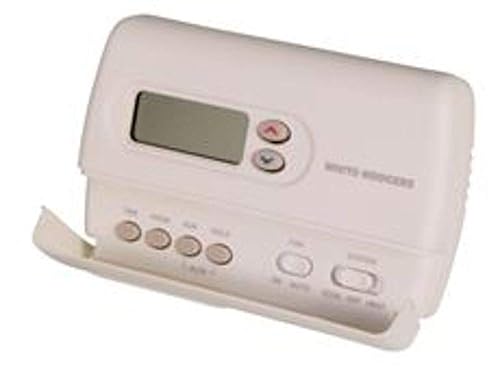
White-Rodgers 1F80-361 80 Series
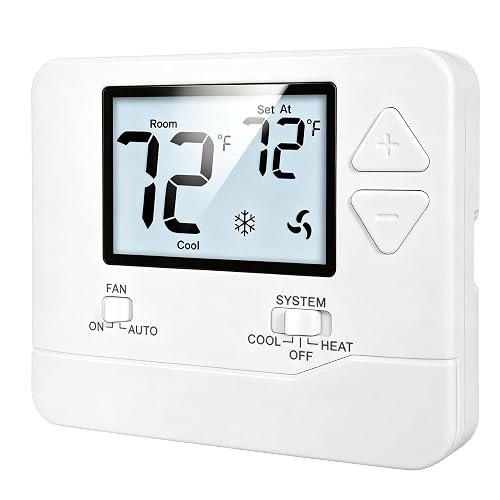
Heagstat 1 Heat/1 Cool Thermostat
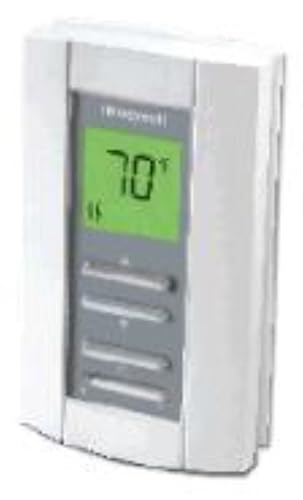
Honeywell TL7235A1003 Line Volt Pro

Honeywell Home X2P Programmable
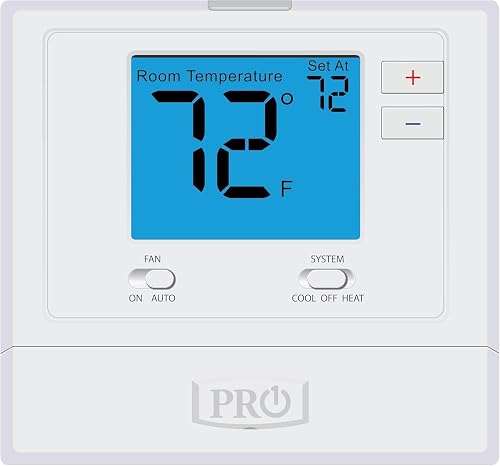
PRO1 T701 Single-Stage Thermostat
White-Rodgers 1F78-151 70 Series
Inside Each Recommended Option
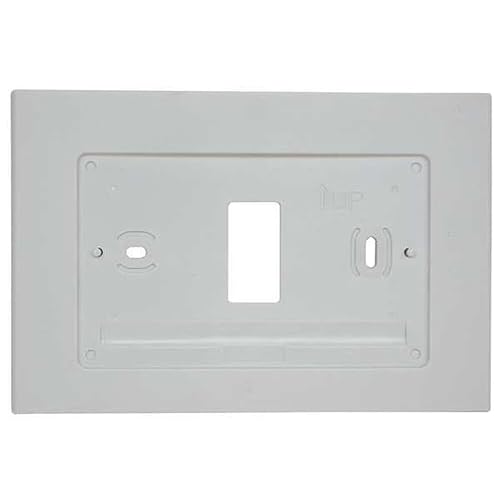
Not a thermostat, but the sidekick many people forget. The F61-2663 is a decorative wall plate made to fit White-Rodgers Sensi Wi-Fi thermostats (the ST55 and 1F87U-42WF models specifically), and it slips on without rewiring anything.
It measures 6.75 by 4.5 inches, so it covers old paint rings and wallpaper gaps that show up after pulling a chunky mechanical thermostat off the wall. For anyone upgrading to a Sensi unit, this is the easiest way to skip a repaint.
Bright Spots
- Color-matched to the Sensi thermostat so the seam between plate and unit disappears
- Wide enough to hide most blemishes from older, larger thermostats
- No tools beyond a screwdriver, and no C-wire work involved
- Gives a finished look without hiring a painter
Where It May Fall Short
- Only fits two specific Sensi models, so it has zero value with a non-Sensi thermostat
- Plastic finish can show scuffs over time in high-traffic hallways
Who It Suits Best
Sensi Wi-Fi owners who just removed an older unit and want a clean wall in under five minutes.
Where Another Pick Suits Better
The White-Rodgers 1F78-144 70-Series is a better fit for anyone replacing the thermostat itself, since this plate only dresses up an existing Sensi install.
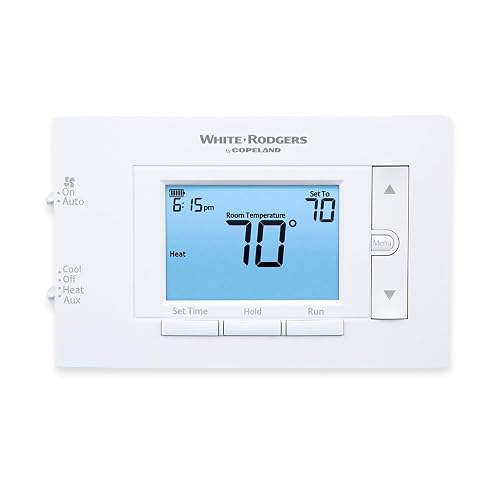
The 3562416 Emerson 80 Series model is built for homes with a heat pump, and that bigger 4.5-inch display is a real upgrade over the standard 70 Series face. It’s wired for 2 heat and 1 cool stages with a dual fuel option, which is the setup you typically see in regions where a heat pump handles the mild weather and a gas furnace kicks in when temperatures drop hard.
You can program it as 7-day, 5+1+1, or skip the schedule entirely. The keypad lockout and adjustable temperature limits are useful for rental properties or vacation cabins where you want to stop curious fingers from cranking the heat to 85.
Points In Its Favor
- Supports dual fuel systems, letting a gas furnace and heat pump share the work
- Hardwire or battery powered, so you have flexibility during installation
- Backlit display is easy on aging eyes during a late-night adjustment
Some Limits To Know
- Wiring terminals require careful labeling, and mistakes can cause short-cycling
- Not designed for line-voltage electric baseboard heat
Key Product Details
Right Fit For
Homeowners with a heat pump system, especially in mixed-fuel climates that swing from freezing to mild within a week.
Skip It When
The Honeywell TH1100DV1000 Pro 1000 is the smarter grab for a simple heat-only system with no cooling and no staging needs.
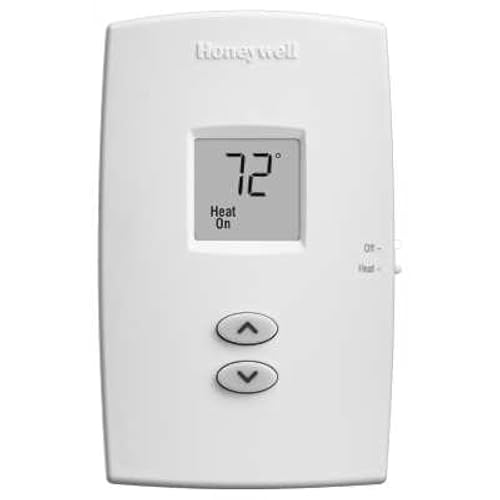
The Honeywell TH1100DV1000 Pro 1000 is a vertical, non-programmable thermostat designed for one job: turning the heat on and off. At roughly 4.7 inches tall and 2.9 inches wide, it has a narrow footprint that slides into spots where a horizontal display looks awkward, like beside a light switch in a hallway.
Premier white finish keeps it from looking out of place on a painted wall, and the lack of scheduling controls is actually a plus for anyone who finds weekly programming menus more confusing than helpful.
Useful Strengths
- Vertical layout fits tight wall spaces where a horizontal body would crowd the trim
- Single-stage heat-only design reduces setup steps and possible wiring errors
- Plain digital readout is fast to learn for renters or visiting family
A Few Limitations
- Heat-only, so homes with central air need a separate cooling control or a different model
- No scheduling, which means the heat runs on one setpoint all day unless you adjust it manually
Made For
Older homes, basement apartments, and additions that rely on a single furnace with no cooling tied to the same thermostat.
Reach For A Different Pick When
The White-Rodgers 1F80-361 80 Series fits better for households that want a 5+1+1 day schedule and a more typical horizontal face.
The 1F78-144 sits in the 70-Series lineup and exists for one specific job: replacing a tired mechanical thermostat without a wall repair project. The low-profile face is shaped to cover the footprint of the four most common mechanical thermostats out there, so you usually avoid the spackle and paint routine.
Battery power keeps installation approachable for anyone comfortable with a screwdriver. It’s a non-programmable, single-stage model, which fits the majority of standard gas, oil, or electric forced-air systems.
Good Reasons To Consider
- Footprint designed to hide old mounting holes and missing paint
- Battery power means no C-wire hunt during swap-in
- Simple up and down setpoint controls, easy for any household member to use
Worth Bearing In Mind
- No weekly schedule, so efficiency comes from manual setpoint changes rather than automation
- Display lacks a backlight on some production runs, which can be a nuisance in dim hallways
Best Suited To
Homeowners who want a digital upgrade over a decades-old mercury switch without the hassle of painting or rewiring.
Where A Sibling Pick Shines
The White-Rodgers 1F78-151 70-Series Classic is a better match for someone who actually wants 5/2 day programming from the same product family.
The 1F80-361 carries the 80 Series label and adds real scheduling muscle to a single-stage system. It supports a 5+1+1 program with up to four periods per day, which covers a weekday routine plus separate Saturday and Sunday blocks.
It’s compatible with 24V and millivolt systems, and works across gas, oil, or electric heat. The contractor bulk-pack source means it ships in a White-Rodgers anti-static bag, and the manual is hosted on the listing for easy reference during install.
The Case For It
- 5+1+1 day programming with four daily periods gives a genuinely useful schedule
- Millivolt compatibility opens the door to wall heaters and some fireplaces
- Single-stage design keeps wiring straightforward for most forced-air setups
Trade-Offs To Consider
- Not designed for heat pump systems with multiple stages or auxiliary heat
- Program setup can feel clunky at first if you are used to a touchscreen app
Who Should Grab It
Anyone with a standard furnace and central air who wants automatic setpoint changes without learning a smart-home app.
Consider Something Else When
The White-Rodgers 80 Series Heat Pump Thermostat (pick 2) is the better target for heat pump owners who need dual fuel support.
The Heagstat non-programmable thermostat is built for the most common setup in U.S. homes: one stage of forced-air heat and one stage of central air, both running on 24VAC. It works with gas, oil, and electric furnaces paired with a separate outdoor AC condenser.
The base plate accepts between two and five wires, and the white backlight helps in low-light rooms. You won’t find app control or learning features, and that’s the point; this is the kind of thermostat a landlord drops into a rental unit and forgets about.
The Good Stuff
- Wide compatibility with conventional single-stage systems across fuel types
- Backlit display aids late-night setpoint changes in bedrooms
- Straightforward setpoint controls, which limits tenant programming calls
Possible Compromises
- Wire count limit means it won’t fit homes with six to eight conductors on the existing base
- Not compatible with heat pumps or multi-stage equipment
Perfect Match For
Rental property owners and value-focused shoppers who just need reliable on-and-off temperature control.
Another Choice May Suit
The PRO1 T701 is a comparable alternative if you want a noticeably bigger display for the same single-stage use case.
The TL7235A1003 is a line-voltage thermostat, and that distinction matters. Most thermostats on this list run on 24V low voltage from your furnace, but this one is designed for 240V electric heating like baseboard heaters and fan-forced convectors. Plugging a 24V thermostat into a 240V circuit is a quick way to fry the unit, so this category is its own world.
The on-demand backlight is genuinely useful in a dimly lit room, and the soundproof operation reduces the familiar clicking that mechanical line-voltage thermostats produce as they cycle.
Everyday Perks
- Electronic temperature control avoids the temperature drift common in mechanical line-voltage models
- Heating indicator gives an at-a-glance confirmation that the circuit is actually calling for heat
- Quieter switching helps in bedrooms and nurseries
Potential Drawbacks
- 240V wiring typically calls for a licensed electrician, which adds to the project cost
- Not interchangeable with low-voltage thermostats, so it only fits electric heat applications
Built With In Mind
Homeowners with electric baseboard heat or wall convectors who want precise digital control instead of a clicky analog dial.
Not Your Match When
The Honeywell TH1100DV1000 Pro 1000 is the right call for low-voltage furnace systems that don’t involve line-voltage wiring.
The Honeywell Home X2P is a single-stage programmable with an unusual amount of scheduling flexibility for a non-smart unit. It supports 5-1-1, 5-2, 7-day, or 1-week programming, plus a non-programmable mode, which is more options than most people will use but covers unusual work schedules.
It also accepts change-air-filter reminders, and its white face blends with most wall paint. The single-stage designation keeps wiring approachable for typical forced-air homes.
Practical Advantages
- Four scheduling modes cover everything from rigid work weeks to rotating shifts
- Filter reminder prompts help extend HVAC system life
- Non-programmable option means you can use it like the 1F78-144 if you change your mind
Honest Caveats
- Single-stage limits use to systems without multi-speed fan or staging
- Programming interface uses small buttons rather than a touchscreen
Whose Shelf It Belongs On
Households with varied weekly routines who want scheduling flexibility without stepping up to a connected thermostat.
A Better Fit Elsewhere
The White-Rodgers 1F80-361 80 Series is the more straightforward pick for someone who only needs a 5+1+1 schedule.
The PRO1 T701 is a non-programmable single-stage thermostat built on the T700 platform, and the standout detail is the 4-square-inch blue backlit display. That’s a noticeable jump from the small screens on most budget thermostats, and it makes a real difference in dim rooms or for anyone who doesn’t want to squint at the wall.
It targets conventional 1 heat/1 cool systems, including gas or electric configurations, and the glow-in-the-dark light button is a small but practical touch for late-night checks without a flashlight.
Practical Pluses
- Large blue backlit display is easy to read from several feet away
- Glow-in-the-dark button helps locate the thermostat during a power outage
- Single-stage design keeps setup simple for DIY installers
Small Caveats
- No scheduling, so setpoint changes are manual
- Conventional systems only, with no heat pump support
Feature Snapshot
Who Will Love This
Anyone with aging eyes or a thermostat mounted in a dim hallway, garage entry, or basement stairwell.
Swap It Out When
The Honeywell Home X2P is the smarter move for shoppers who want programming along with a clear display.
The 1F78-151 is the Classic label in the 70 Series, and it has been a go-to for years for good reason. It uses a 5/2 day schedule, which gives you separate weekday and weekend routines, and the backlit display keeps the readout visible at night.
It runs on most single-stage 24V and millivolt systems. For most households with a straightforward furnace and AC setup, this is the kind of thermostat that disappears into the wall and just works.
Notable Upsides
- 5/2 day programming covers the most common weekly split between work and weekend
- Millivolt compatibility works with wall heaters and some fireplace inserts
- Backlit screen makes setpoint checks easy in dark hallways
Things To Consider
- Not designed for electric baseboard heat or heat pump systems
- Display has a small footprint compared to the 80 Series 4.5-inch face
Best Suited To
Homeowners with a single-stage furnace and AC who want a reliable weekday and weekend schedule without extra frills.
Look Elsewhere When
The White-Rodgers 80 Series Heat Pump Thermostat is the clear upgrade path for heat pump households needing staging.
What Matters Most Before Choosing White Rodgers Thermostats
Match The Wiring First
Before you fall in love with a display, pull the existing thermostat off the wall and count the wires. A standard single-stage furnace typically uses five wires labeled R, W, Y, G, and C, while a heat pump adds the O/B terminal for reversing valve control. If your old thermostat shows only two wires, you likely have line-voltage heating, and that pushes you toward a product like the Honeywell TL7235A1003 instead of a low-voltage model. Buying first and wiring second is the most common reason an otherwise perfect thermostat ends up returned.
Decide Between Programmable And Non-Programmable
Programmable thermostats like the White-Rodgers 1F78-151 or 1F80-361 pay off when your week follows a predictable pattern, like an empty house during work hours. Non-programmable models like the Heagstat or PRO1 T701 are friendlier for rentals, guest rooms, and anyone who doesn’t want to deal with weekly schedule menus. A 5+1+1 schedule covers most working households, while 7-day programming makes sense for rotating shifts or home offices with irregular use.
Check The Footprint Before You Buy
That new low-profile face might still leave a paint ring around it. The 1F78-144 70-Series was designed specifically to cover the marks left by the four most common older mechanical thermostats, and the F61-2663 wall plate solves the same problem for Sensi owners. Measure the visible wall area you need to cover before ordering, and compare against the product’s listed dimensions. A quick tape measure check prevents a repaint project on install day.
Think About Display Size And Lighting
A 4.5-inch display on the 80 Series Heat Pump model is genuinely easier to read from across a room than the smaller 70 Series face. If the thermostat lives in a dim hallway, basement, or bedroom, a blue backlit screen like the PRO1 T701’s cuts down on squinting. Larger displays do cost more in some cases, so weigh readability against your actual distance from the wall.
Key Considerations Across These Picks
Where Shoppers Go Wrong
The most common mistake is treating a thermostat purchase like a smart speaker purchase. Apps and learning features look appealing, but compatibility is what determines whether a thermostat will actually work. A wrong voltage match, a missing C-wire, or an unsupported stage count means the unit won’t power up, or worse, it will power up and behave unpredictably. Pull the old face off and photograph the wiring before you shop. That single photo saves more returns than any feature comparison.
When Paying More Pays Off
The jump from a $20 non-programmable model to an 80 Series unit buys you a bigger display, more scheduling options, and dual fuel support for heat pump homes. The honest read is that the upgrade pays off if your system can actually use those features. A heat pump with auxiliary heat, or a home with a real weekday and weekend routine, will benefit from the extra capability. A small rental with one furnace and no cooling? A simpler model handles that job without the learning curve. Spend up only when the system you have actually rewards the spend.