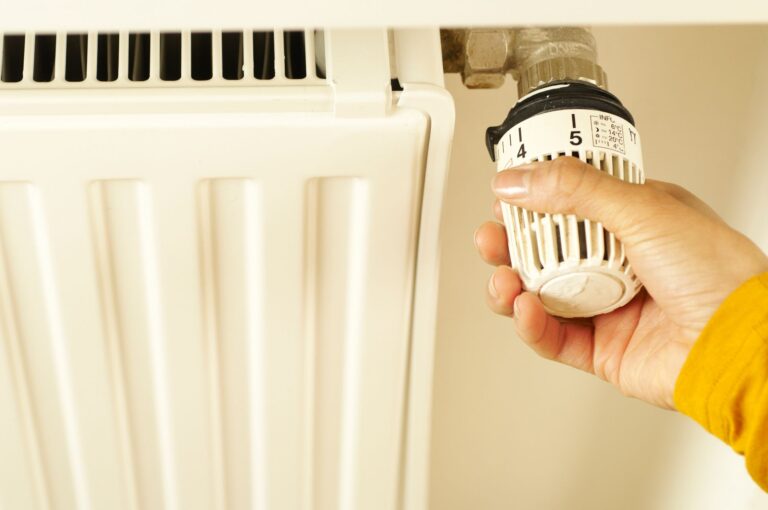

A radiator that blasts heat in a room you never use is a quiet budget leak. A wifi radiator thermostat turns each radiator into a room-by-room conversation: it learns when you’re home, dials back when you aren’t, and lets you nudge the temperature from the train. The picks below cover whole-home underfloor systems, single-valve smart TRVs (thermostatic radiator valves), and learning thermostats that tie a whole house together.
How The Shortlist Stacks Up
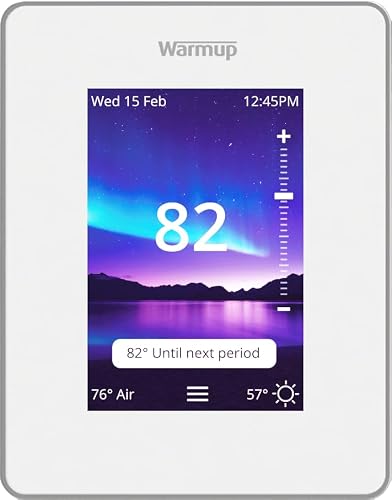
Warmup 7iE Thermostat (White)
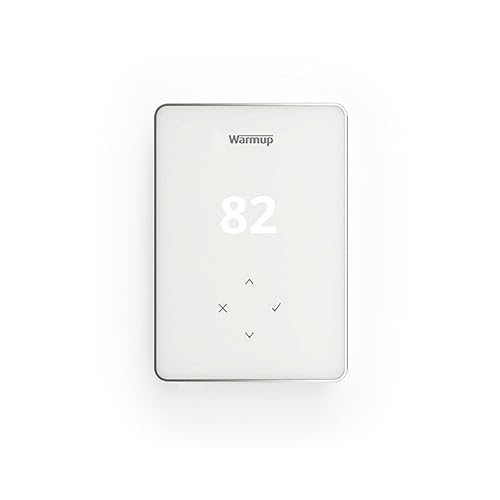
Warmup Terra Thermostat (White)
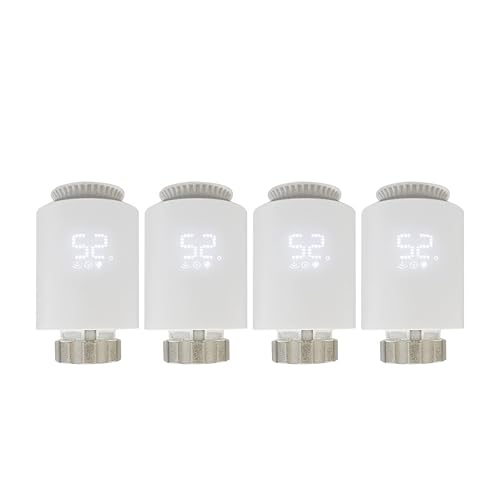
ZRATFWLJMDK ME167 Smart TRV (4-Pack)

Omquot Programmable Digital TRV Head
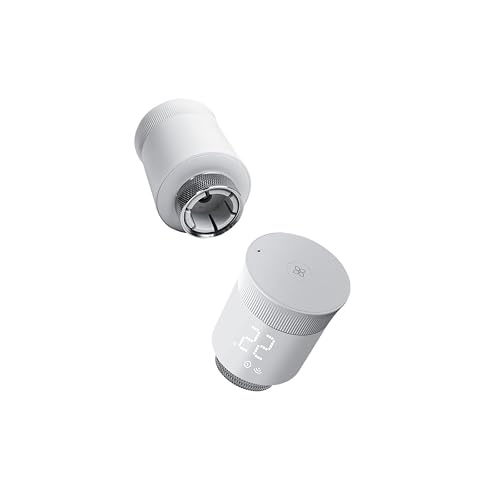
Tuya ZigBee Mini Smart Radiator TRV
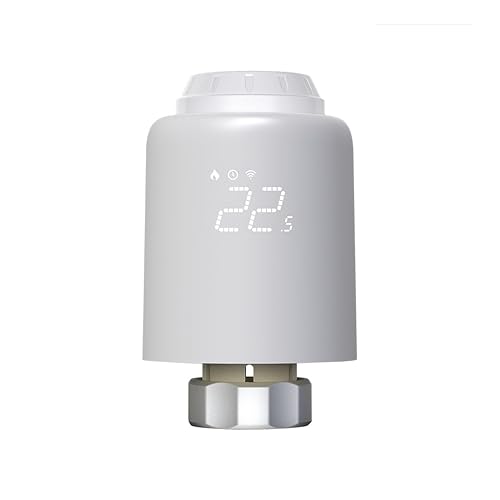
TECJHJZ TRV601 WiFi Radiator Valve
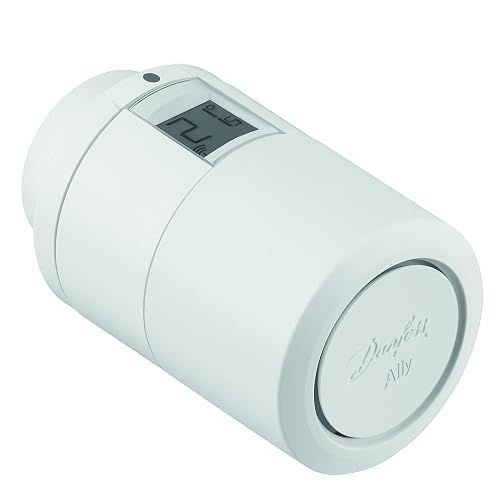
Danfoss Ally Radiator Thermostat (White)
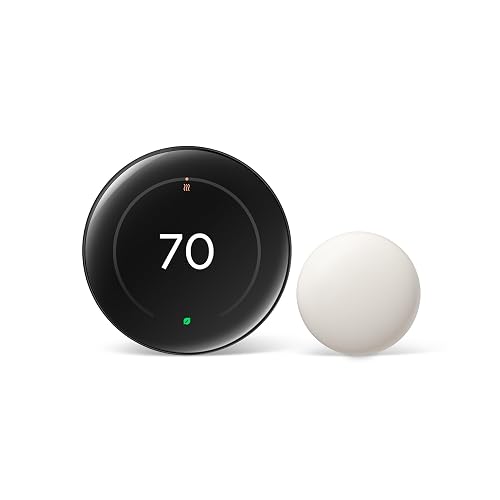
Google Nest Learning Thermostat 4th Gen (Obsidian) + Sensor
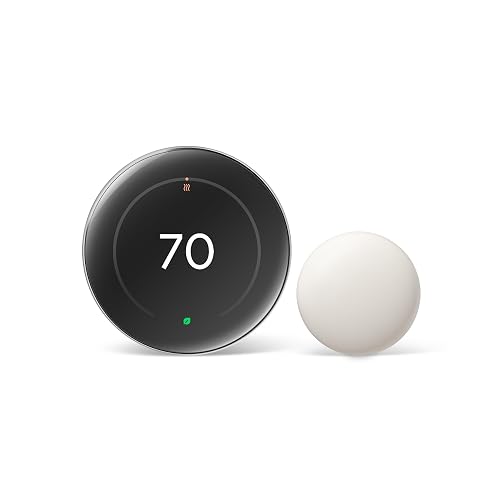
Google Nest Learning Thermostat 4th Gen (Silver) + Sensor
More On The Choices That Made The List
The Warmup 7iE is built for homes with electric underfloor heating rather than standalone radiators, and that focus shows in its layout. A color touchscreen anchors the wall, while WiFi connectivity lets you group multiple 7iE units into heating zones, with one thermostat required per zone. For renovators pulling new heating circuits room by room, it carries the polish of a permanent fixture rather than a tacked-on gadget.
Compared with the Terra below, the 7iE feels more configurable and willing to be the brains of a multi-room system. If your project includes both underfloor and radiator zones, this thermostat becomes the control panel for the underfloor side while a separate TRV handles each radiator.
Useful Touches
- Color touchscreen simplifies schedule changes without an app
- Multi-zone control when paired with additional 7iE units
- SmartGeo-style automation eases energy use without manual programming
- Compatible with both electric underfloor and radiator circuits
Things To Consider
- Each heating zone needs its own 7iE, which adds up across larger homes
- Most useful only where electric underfloor wiring already exists or is planned
Best Suited To
Renovators wiring up electric underfloor heating room by room who want one polished controller per zone.
Skip It When
A standalone radiator TRV like the ZRATFWLJMDK ME167 Smart TRV (4-Pack) suits a basic valve swap far better.
The Warmup Terra leans into a “fit, forget, and let the app handle it” approach. Zero programming is the headline pitch, and the thermostat ships ready to pair over the home network without diving into schedules on day one. SmartGeo-style automation reads your phone’s location and warms the floor so it hits comfort by the time you arrive, then eases back when you leave.
It’s the calmer sibling of the 7iE above: less touchscreen theatrics, more quiet wall-mounted routine. Homeowners who want smart underfloor heating without the configuration rabbit hole will appreciate how little the Terra asks of them upfront.
Points In Its Favor
- Truly minimal setup, so first-time smart installers aren’t left hunting menus
- Automation tied to your phone’s location saves daily schedule editing
- Clean white housing blends into most hallway or bathroom walls
- Works under existing Warmup floor heating setups without extra hardware
Trade Offs
- Less configurable than the 7iE for power users who want per-zone tweaks
- Best fit is underfloor circuits, not standalone radiator retrofits
Who It Suits Best
First-time smart heating installers adding WiFi to a single underfloor zone who want it working the same day it’s mounted.
Consider Something Else When
You mostly need to upgrade standard radiator valves, in which case the Omquot Programmable Digital TRV Head slides in without wall rewiring.
The ME167 arrives as a four-pack of thermostatic radiator valves, which makes it the practical pick when more than one radiator needs upgrading at the same time. Each head runs on two AA batteries with a quoted life of around six months, talks to a 2.4 GHz network, and threads onto standard M30 x 1.5 mm valve bodies. The temperature display covers 0 to 60°C with a 5–60°C set range.
Unlike the Warmup thermostats above, this one doesn’t try to run your heating: it just makes each radiator smarter on its own. The trade-off is that the household gets room-level control without a dedicated hub, though the smart features depend on the companion app the manufacturer pairs with it.
What Works In Its Favor
- Four valves in a single bundle keeps per-room cost down
- Standard M30 thread fits most common radiator valve bodies
- Per-room scheduling cuts heating in rooms that aren’t in use
- AA batteries mean no wiring or electrician visit
Worth Noting
- Quarterly battery swaps are realistic for high-traffic rooms
- No central dashboard like the Google Nest picks, so whole-home routines take more setup
Made For
Households rolling out smart TRVs across several radiators on a budget who want one purchase to cover the main living areas.
A Better Fit Elsewhere
A single underfloor zone with no radiators would be better served by the Warmup Terra Thermostat (White).
The Omquot head is shaped around weekly schedules. Set points run from 5 to 45°C, which covers everything from a frost-protected guest room to a toasty home office. It’s a single-radiator upgrade rather than a four-pack, so it works as a targeted swap where one room consistently overheats or underperforms.
Compared with the ZRATFWLJMDK four-pack above, the Omquot trades quantity for clearer programming. Where the four-pack is about spreading smart TRVs across a home, this head is about getting one stubborn radiator onto a proper routine.
Positive Takeaways
- Per-day schedule lets weekdays and weekends diverge easily
- Wide 5–45°C range handles both frost protection and full heating
- Single-unit purchase lowers the barrier for a test radiator
- Set-and-leave programming once the schedule is dialed in
Points To Note
- Single head means per-room cost climbs quickly across multiple radiators
- App depth varies, so confirm hub compatibility before committing
Who Will Love This
Routine-driven households that want one specific radiator to follow a strict weekday/weekend pattern.
Look Elsewhere When
A whole-home radiator overhaul is the goal, where the ZRATFWLJMDK ME167 Smart TRV (4-Pack) bundles four heads together.
The Tuya Mini TRV is built for households that already run a ZigBee smart home hub (a low-power mesh radio network that links compatible devices without WiFi). Two AA batteries feed it, the body measures roughly 74 mm across and 55 mm long, and the set range runs 5–35°C with a room display reading 0–50°C. The push output tops out at 80 N, enough to close standard radiator valves cleanly.
This is the smallest head in the roundup, and it suits tight spaces where chunkier TRVs look out of place. Owners of Tuya-based ecosystems will appreciate that it slots in alongside lights, sensors, and other devices on the same hub.
The Practical Payoff
- Compact body fits behind shallow curtains or in narrow radiator alcoves
- ZigBee integration means no extra app clutter
- Strong 80 N push handles older stiff radiator valves
- Standard 5–35°C range covers typical comfort needs
Minor Gripes
- Needs a ZigBee hub on hand, so first-time smart home shoppers face extra setup
- Battery swaps follow a similar rhythm to the ME167, roughly every few months in busy rooms
Perfect Match For
Households already running a Tuya or ZigBee hub who want a small, tidy radiator valve that joins the rest of the network.
Another Choice May Suit
Anyone avoiding a hub would be happier with the TECJHJZ TRV601 WiFi Radiator Valve, which talks straight to your router.
The TRV601 skips the hub requirement and pairs directly over WiFi, which makes it friendly for rentals and single-room use. It threads onto M30 x 1.5 mm valves, displays readings in 0.5°C steps, and operates in ambient temperatures from 0 to 50°C. The trade-off is that “WiFi only” smart TRVs sometimes trail ZigBee peers in mesh reliability, so for larger homes a hub-based system can be steadier.
Renters who can’t drill into walls or run new wiring will find the setup refreshingly short. The honest read is that the app ecosystem is less mature than bigger brands, so anyone wanting deep automation routines should test the app first.
What It Does Well
- Hub-free WiFi connection keeps the install simple
- Standard M30 thread matches common radiator valves
- Half-degree display precision makes small adjustments feel meaningful
- Works for one room without touching the rest of the heating
Softer Spots
- WiFi-only smart TRVs occasionally drop on busy home networks
- Less established app ecosystem than major brands like Danfoss
The Right Fit
Renters and single-room upgraders who want app control without buying a hub or rewiring.
Reach For A Different Pick When
A whole-home ZigBee rollout is the plan, where the Danfoss Ally Radiator Thermostat (White) earns its keep.
Danfoss is a familiar name in radiator valves, and the Ally is the brand’s smart home answer. Rated IP20 for indoor use, it handles set points from 5 to 35°C, room temperatures from 0 to 40°C, and storage conditions from –20 to 65°C. It runs on ZigBee, which means it integrates with platforms such as Home Assistant and major smart home ecosystems through a compatible hub.
For shoppers who already trust the Danfoss badge on traditional valves, the Ally extends that reputation into app control. It’s not the cheapest head in the roundup, but the build tends to feel solid in the hand, and the wider compatibility sweetens the deal.
Notable Upsides
- Established HVAC-grade brand with a long valve track record
- Wide ZigBee compatibility across popular smart home platforms
- 5–35°C set range covers everything from frost protection to full comfort
- Tolerates a broad storage temperature window if kept in unheated spaces
Honest Caveats
- Needs a ZigBee hub on hand, which adds to overall project cost
- Adapters for non-Danfoss valves are sold separately, depending on the radiator
Whose Shelf It Belongs On
Whole-home ZigBee households that want a familiar HVAC brand on every radiator and don’t mind paying a bit more per valve.
Not Your Match When
A budget four-pack rollout is the goal, where the ZRATFWLJMDK ME167 Smart TRV (4-Pack) wins on raw value.
The Nest Learning Thermostat takes a different angle: rather than sit on each radiator, it runs your central heating system as a whole. The 4th generation learns the temperatures you prefer, when you prefer them, and adjusts as your routine shifts. The included Nest Temperature Sensor (2nd gen) adds room-level readings, helping the thermostat prioritize the spaces you actually use.
Compared with the TRVs above, the Nest trades per-radiator precision for whole-system learning. It’s a fit for households with a single boiler-driven loop rather than a patchwork of independent radiators.
The Value In It
- Learning behavior removes the need to hand-build a weekly schedule
- Included temperature sensor steers comfort toward occupied rooms
- Obsidian finish hides fingerprints and matches darker walls
- Whole-home control without buying a TRV for every radiator
Things That May Matter
- Works best with compatible central heating wiring; some combi-boiler setups need a common wire
- Replaces an existing thermostat rather than supplementing one
Feature Snapshot
Built With In Mind
Central heating households with a single boiler loop who want a learning thermostat to handle the whole system in one go.
Swap It Out When
The home runs on individual electric radiators, where the Warmup 7iE Thermostat (White) handles zoned underfloor circuits more cleanly.
The Silver variant carries the same learning engine as the Obsidian pick above, just wrapped in a lighter finish that suits bright kitchens and minimalist hallways. The Nest Temperature Sensor (2nd gen) ships in the box, so the first day of ownership already has a remote room reading feeding into the schedule.
If the dark finish felt too heavy against pale walls, this is the same brain in a friendlier color. Pick whichever finish matches your wall rather than chasing a feature difference; the brains are identical.
Well-Handled Touches
- Silver finish blends with white walls and pale wood trim
- Includes the same temperature sensor as the Obsidian bundle
- Learning engine removes most schedule babysitting
- Replaces a single wall thermostat rather than retraining every radiator
A Few Limitations
- Same central-heating wiring constraints as the Obsidian model
- Single thermostat can’t match the per-room granularity of dedicated TRVs
Who Should Grab It
Style-led modern interiors where the silver finish fits the room palette and a central heating loop is already in place.
Where A Sibling Pick Shines
A room-by-room radiator upgrade belongs in the hands of the Danfoss Ally Radiator Thermostat (White) instead.
What To Weigh Before Choosing wifi radiator thermostats
Heating System Type Comes First
The biggest fork in the road is what your home actually runs. Electric underfloor systems pair naturally with wall-mounted thermostats like the Warmup 7iE or Terra, while traditional radiator systems lean toward smart TRVs that thread onto existing valves. Combi-boiler central heating tends to fit a learning thermostat such as the Nest 4th gen. Picking the wrong category is the most common reason smart heating underwhelms.
Hub vs Hub-Free Matters
ZigBee TRVs, including the Danfoss Ally and the Tuya Mini, rely on a smart home hub to reach your phone. WiFi-only TRVs like the TECJHJZ TRV601 skip that step but lean harder on your router. Homeowners already invested in a hub ecosystem get smoother automations; first-timers often prefer WiFi-only models for the simpler setup.
Valve Compatibility and Thread Standard
Most modern radiators use the M30 x 1.5 mm valve thread, which the picks above all support. Older or designer radiators may need an adapter, and the wrong thread simply won’t seat. A quick eyeball of the existing valve body before ordering saves a frustrating return.
Schedule Depth and Sensors
Weekly programmable TRVs suit households with a steady routine, while learning thermostats suit shifting schedules. Bundles that include a separate temperature sensor, such as the Nest 4th gen, let the system steer toward occupied rooms rather than the hallway where the thermostat lives.
Key Considerations Across These Picks
Pitfalls Shoppers Hit
The most common slip-up is treating any smart thermostat as a universal fit. A wall-mounted underfloor controller will not retrofit to a standard radiator, and a TRV cannot take over a central boiler. Another trap is ignoring the hub question; a ZigBee TRV ordered without a hub turns into a non-networked display until you add one. Measure your valve thread and confirm your heating type before clicking through to the listing.
Where The Extra Money Goes
Higher-tier picks like the Danfoss Ally and the Nest 4th gen earn their cost through brand track record, broader smart home compatibility, and included accessories like the Nest Temperature Sensor. Mid-range options balance features and price for typical homes. Spending up pays off most when you already run a compatible ecosystem or want the learning thermostat to handle scheduling for you.
Frequently Asked Questions
Do wifi radiator thermostats work with any radiator?
Most modern radiators use the M30 x 1.5 mm valve standard, which the picks above support. Older or non-standard valves may need an adapter ring, and confirming the thread before ordering avoids a return.
Will a smart TRV lower my heating bill?
Per-room scheduling lets unused rooms drop to a lower set point, which typically reduces gas or electric use over a heating season. The exact saving depends on your existing schedule and how consistently you use the app or schedules.
Do I need a smart home hub?
ZigBee-based TRVs like the Danfoss Ally need a compatible hub to reach your phone, while WiFi TRVs pair directly with your router. Whole-home smart home households usually have a hub already; renters often prefer hub-free WiFi TRVs.
Can a learning thermostat replace every TRV in my home?
A learning thermostat replaces the main wall thermostat for central heating but doesn’t give per-radiator control on its own. Combining a learning thermostat with TRVs in key rooms gives both whole-home behavior and room-level overrides.
Are smart radiator thermostats hard to install?
Battery-powered TRVs usually screw onto the existing valve body without tools. Wall-mounted thermostats like the Warmup 7iE involve low-voltage wiring that an electrician or competent DIYer can handle in under an hour.
Bottom Line
A wifi radiator thermostat earns its keep by trimming wasted heat and giving you per-room control from your phone. Match the category to your heating system first, then choose between whole-home learning thermostats, hub-based TRVs, and hub-free WiFi valves. Any of the picks above will make a noticeable difference in comfort and energy use over a full heating season.