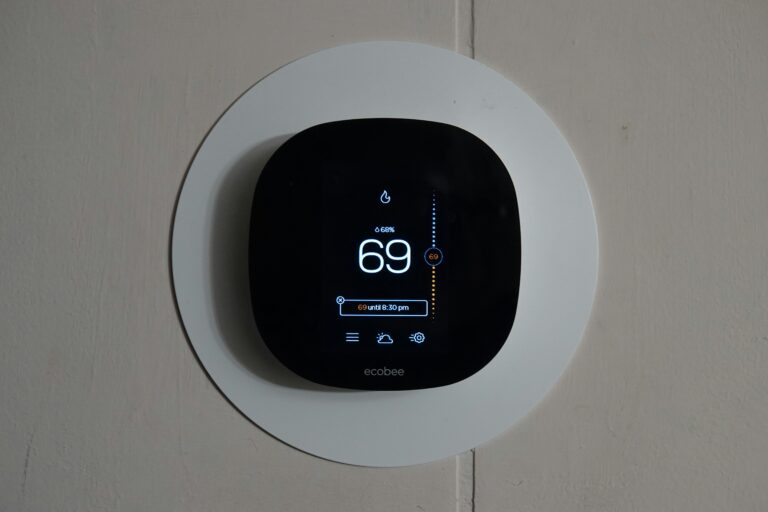

No, not every thermostat includes an emergency heat option. Emergency heat exists only on thermostats wired to a heat pump system, where it acts as a manual backup that disables the compressor and forces the electric resistance strips to do all the warming. A furnace-only or boiler-only thermostat has no emergency mode to switch to, so the feature stays hidden from the menu or absent from the hardware.
This breakdown explains where emergency heat comes from, which thermostats expose it, and when flipping that switch makes sense for your system. The goal is to help you read your own thermostat with confidence and avoid paying for heat you do not need.
Emergency Heat Is a Heat-Pump Feature, Not a Universal One
A heat pump warms your home by moving heat from outside air into the indoor space, even when temperatures drop. Once outdoor conditions fall too low, or the compressor starts to fail, that transfer becomes inefficient or stops altogether. Emergency heat bridges the gap by routing every call for warmth directly to a set of electric resistance strips, often called strip heat or heat strips, mounted inside the air handler.
Furnaces and boilers burn a single fuel source and produce heat on demand, so they need no second-stage override. A thermostat wired to a gas furnace, oil furnace, or boiler exposes only heating, cooling, and fan controls, with no EM HEAT option in the user manual or installer menu. If your home runs on combustion heat alone, the feature simply does not apply to your setup.
Why Heat Pumps Need a Backup at All
Heat pumps lose capacity as outdoor temperatures fall because there is less warmth in the outdoor air to move indoors. Most modern units stay efficient down to about 25°F to 35°F, then auxiliary or emergency heat kicks in to maintain the temperature differential setpoint on the thermostat. Without that backup, the indoor temperature drifts below the target during cold snaps, and the compressor strains itself trying to compensate.
How the Emergency Heat Setting Works Behind the Scenes
Engaging emergency heat sends a signal from the thermostat to the backup heat relay, locking the compressor off so it cannot run. The control board ignores outdoor temperature logic, defrost cycles, and the usual compressor staging rules. The electric strips carry the entire heating load until you manually turn the mode off.
Most thermostats display a clear EM HEAT indicator, a flame icon, or a lightning-bolt symbol on the screen once the override is active. That icon confirms the compressor is locked out and the resistance strips are running solo. Smart thermostats from Honeywell, Ecobee, and Nest typically surface the toggle inside the equipment settings menu rather than on the home screen.
Wiring Terminals That Make It Possible
Emergency heat requires a dedicated circuit back to the air handler. The thermostat needs an E terminal, sometimes labeled W2 or AUX, connected to the backup heat relay on the furnace control board. If that wire is missing or landed on the wrong terminal, the thermostat has no way to command the strips on, and the feature disappears from the menu regardless of model.
Thermostat Types That Support, and Skip, Emergency Heat
Heat-pump-rated smart thermostats expose emergency heat in the installer setup or equipment menu. Models like the Ecobee SmartThermostat with voice control, the Nest Learning Thermostat, and the Honeywell T6 Pro or T10 Pro all include the option when paired with a compatible heat pump. Mid-range programmable thermostats marketed specifically for heat pump installations often include a physical EM HEAT switch on the faceplate, a holdover from earlier HVAC conventions.
Basic analog thermostats, mechanical dial units, and digital thermostats designed for conventional furnaces omit the option entirely. The wiring terminals required for backup heat are physically absent, and the firmware has no heat-pump configuration to surface. A budget thermostat bought for a gas furnace cannot be coaxed into showing emergency heat, even with rewiring, because the internal logic was never written for that mode.
| Thermostat Type | Emergency Heat Available | Where the Option Appears |
|---|---|---|
| Ecobee (heat pump models) | Yes | Menu → Equipment → Emergency Heat |
| Nest Learning Thermostat | Yes | Settings → Equipment → Emergency Heat |
| Honeywell T-series (heat pump) | Yes | Installer setup or faceplate switch |
| Mid-range programmable (heat pump) | Yes | Physical EM HEAT switch or menu toggle |
| Digital thermostat for furnace only | No | Not present |
| Analog or mechanical dial | No | Not present |
Auxiliary Heat vs Emergency Heat and Why the Distinction Matters
Auxiliary heat is an automatic backup that engages when the heat pump cannot keep up with the temperature differential setpoint or when the defrost cycle is running. The thermostat decides on its own, based on staging rules programmed at install time. Emergency heat, by contrast, is a manual lockout you trigger on purpose, typically when the compressor has failed or the outdoor unit is being serviced.
The cost difference is dramatic. A heat pump compressor delivers roughly twice the heat per kilowatt-hour compared to resistance strips, because it moves heat rather than generating it. Leaving emergency heat on indefinitely after a repair can double or triple your electric bill during winter, because every bit of warmth comes from the less efficient source. The auxiliary heat indicator may show up occasionally during normal operation; the emergency heat indicator should rarely appear unless something is wrong.
That rarity carries real weight: switching modes outside an actual failure shifts costs onto you without warming the house any faster.
Use emergency heat as a temporary bridge, not a permanent setting. It costs roughly twice as much to run as the compressor it replaces.
When Switching to Emergency Heat Is the Right Move
Suspected refrigerant leaks, frozen outdoor coils, and compressor faults all justify emergency heat until a technician arrives. Engaging the override keeps your home warm while protecting the compressor from short-cycling or overheating during a fault. Extended cold snaps below your heat pump’s rated operating range, often listed on the spec sheet as the minimum ambient temperature, may also call for temporary emergency mode to maintain comfort without stressing the system.
After the repair or cold snap passes, verify the EM HEAT indicator clears and the outdoor unit restarts on its own. Leaving the switch on by accident is one of the most common causes of winter electricity spikes, because the strips keep firing long after the compressor is healthy enough to handle the load. Check the thermostat display each morning during a cold spell to confirm the system has returned to normal operation.
A Short Checklist Before You Engage Emergency Heat
- Confirm a real fault: Check that the outdoor unit is not running, the air handler is blowing room-temperature air, or the thermostat shows a fault code.
- Check the air filter: A clogged filter mimics a compressor failure by starving the indoor coil of airflow; swap it before engaging emergency heat.
- Inspect the outdoor unit: Ice on the coil, a silent compressor, or tripped disconnect switches all point to a fault worth switching around.
- Note the outside temperature: Anything below the rated minimum on your spec sheet is fair territory for a temporary override.
- Schedule a service call: Emergency heat is a bridge, not a fix; book a technician to diagnose the underlying cause.
Checking Whether Your Thermostat Can Access Emergency Heat
Start by pulling the faceplate and confirming the green or E wire is landed on the terminal marked E, W2, or AUX. That wire is the dedicated command path back to the backup heat relay, and without it the thermostat cannot signal the strips regardless of what the menu shows. If the wire is present and seated correctly, search the model number in the installer setup menu for a heat-pump configuration option; the absence of that section is intentional on furnace-only units.
If the option is missing and you genuinely have a heat pump, the thermostat model may simply be wrong for your system. Replacing a non-compatible unit with a heat-pump-rated model, such as one of the Honeywell T-series, an Ecobee, or a Lennox or Carrier branded unit designed for heat pumps, is the only reliable path to adding emergency heat functionality. No amount of menu diving or firmware update will surface the feature on hardware that was never built for it.
Three Quick Checks You Can Do Right Now
- Look at the wiring: Confirm a wire on the E or W2 terminal at both the thermostat and the air handler control board.
- Scan the menu: Open the installer or equipment settings and search for “emergency heat”, “backup heat”, or “EM HEAT”.
- Check the model number: Search the manufacturer site to confirm the unit is rated for heat pump systems before assuming the feature should appear.
Bottom Line
Emergency heat is a heat-pump-only feature, and its presence on your thermostat depends entirely on whether the hardware and wiring were designed for a heat pump system. If the option is missing, the thermostat was likely built for a conventional furnace or boiler, and no setting will add it. Confirm the wiring, verify the model, and treat the override as a temporary bridge rather than a permanent mode.
FAQ
Do all thermostats have an emergency heat option?
No. Only thermostats wired to a heat pump system expose emergency heat. Furnace-only and boiler-only thermostats have no backup heat relay to command, so the feature is intentionally absent from the menu and the hardware.
What does emergency heat mean on a thermostat?
Emergency heat is a manual mode that disables the heat pump compressor and routes all heating demand to the electric resistance strips inside the air handler. An EM HEAT or flame icon confirms the override is active.
When should you turn on emergency heat?
Turn it on when the compressor has failed, the outdoor unit is frozen, or outdoor temperatures have dropped below the heat pump’s rated operating range. Use it as a temporary bridge until a repair or a warm day returns.
Why does my thermostat not have emergency heat?
Your thermostat was likely designed for a conventional furnace or boiler, not a heat pump. Confirm the wiring at the E or W2 terminal, check the model number, and replace the unit with a heat-pump-rated thermostat if the system actually requires one.
Is emergency heat more expensive to run?
Yes. Electric resistance strips convert energy to heat at roughly half the efficiency of a heat pump compressor, so leaving emergency heat on indefinitely can double or triple your heating electricity use during winter.
How do I turn off emergency heat on my thermostat?
Return to the equipment or settings menu and switch the mode from EM HEAT back to Heat or Auto. The EM HEAT indicator should clear within a few seconds, and the outdoor unit should restart shortly after.